5 Things to Know About Verbal Abuse
Understanding the Impact and Recognizing the Signs
Verbal Abuse Is More Than Just Harsh Words
Verbal abuse includes insults, threats, humiliation, manipulation, and persistent criticism. It can occur in personal relationships, workplaces, or other settings. The intention behind verbal abuse is often to control, intimidate, or undermine another person.
It Can Cause Serious Emotional and Psychological Harm
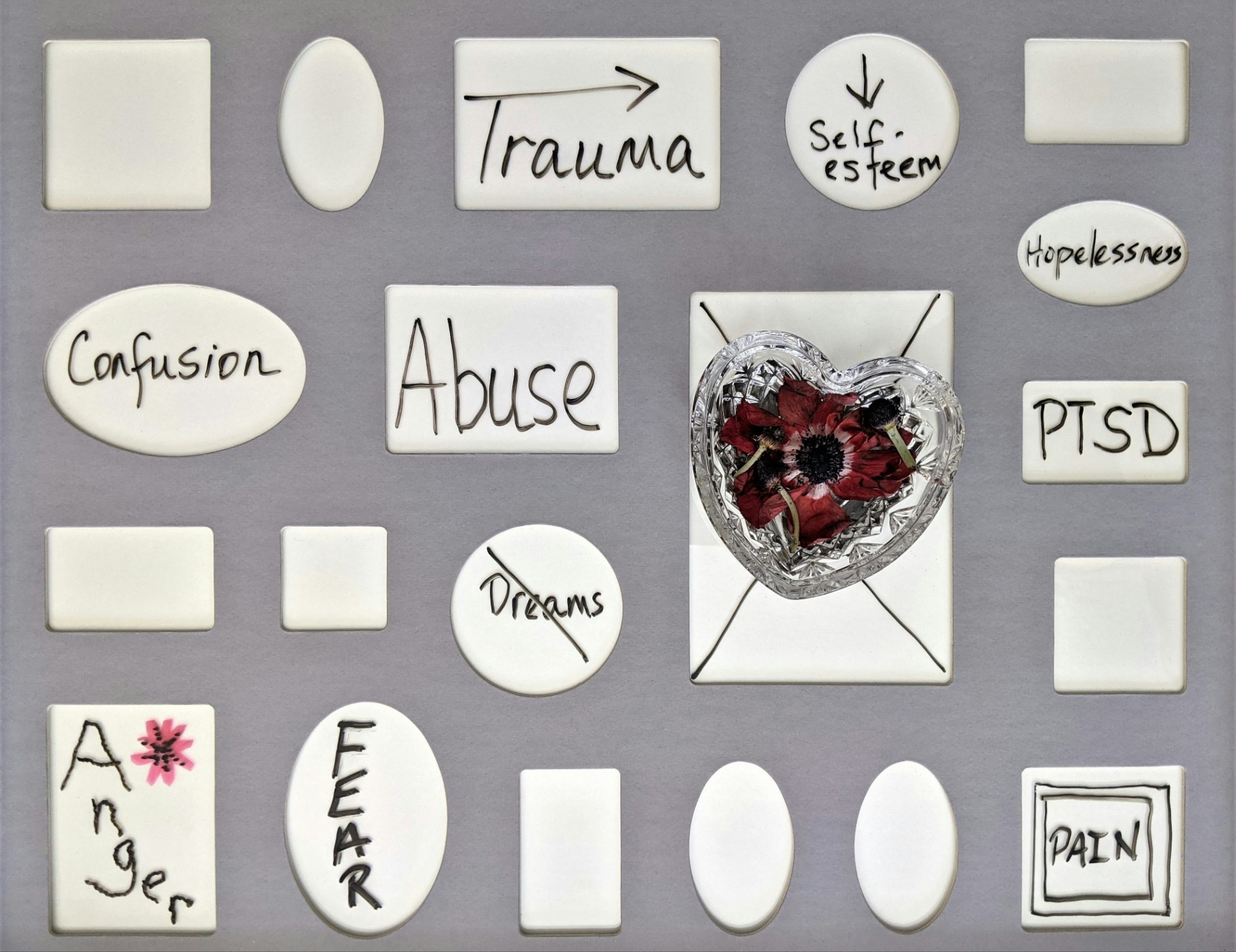
While there are no physical wounds, verbal abuse can lead to anxiety, depression, low self-esteem, and lasting trauma. Victims may struggle with feelings of worthlessness and experience difficulties in trusting others or forming healthy relationships.
Recognizing the Signs Is Crucial
Common signs of verbal abuse include being constantly belittled, yelled at, threatened, or blamed for things beyond your control. Abusers may use sarcasm, ridicule, or dismissive language to hurt or dominate their victim.
It Is Often a Pattern, Not an Isolated Incident
Verbal abuse usually happens repeatedly and becomes a pattern that can escalate over time. Recognizing these recurring behaviors is important in identifying abuse and seeking help.
Help and Support Are Available
If you or someone you know is experiencing verbal abuse, resources such as counselors, support groups, and helplines can provide guidance and assistance. It is important to reach out and not face the situation alone.