How Neurofeedback Can Support Mental Health: A Simple Guide
Neurofeedback is a non-invasive type of biofeedback that helps people learn to regulate their brain activity. Often called EEG biofeedback, it uses real-time feedback from brainwave patterns to encourage calmer, more focused states. For some people, neurofeedback may support treatment plans for symptoms related to anxiety, ADHD, PTSD, depression, and sleep problems when used alongside care from a qualified mental health professional.
How Neurofeedback Works
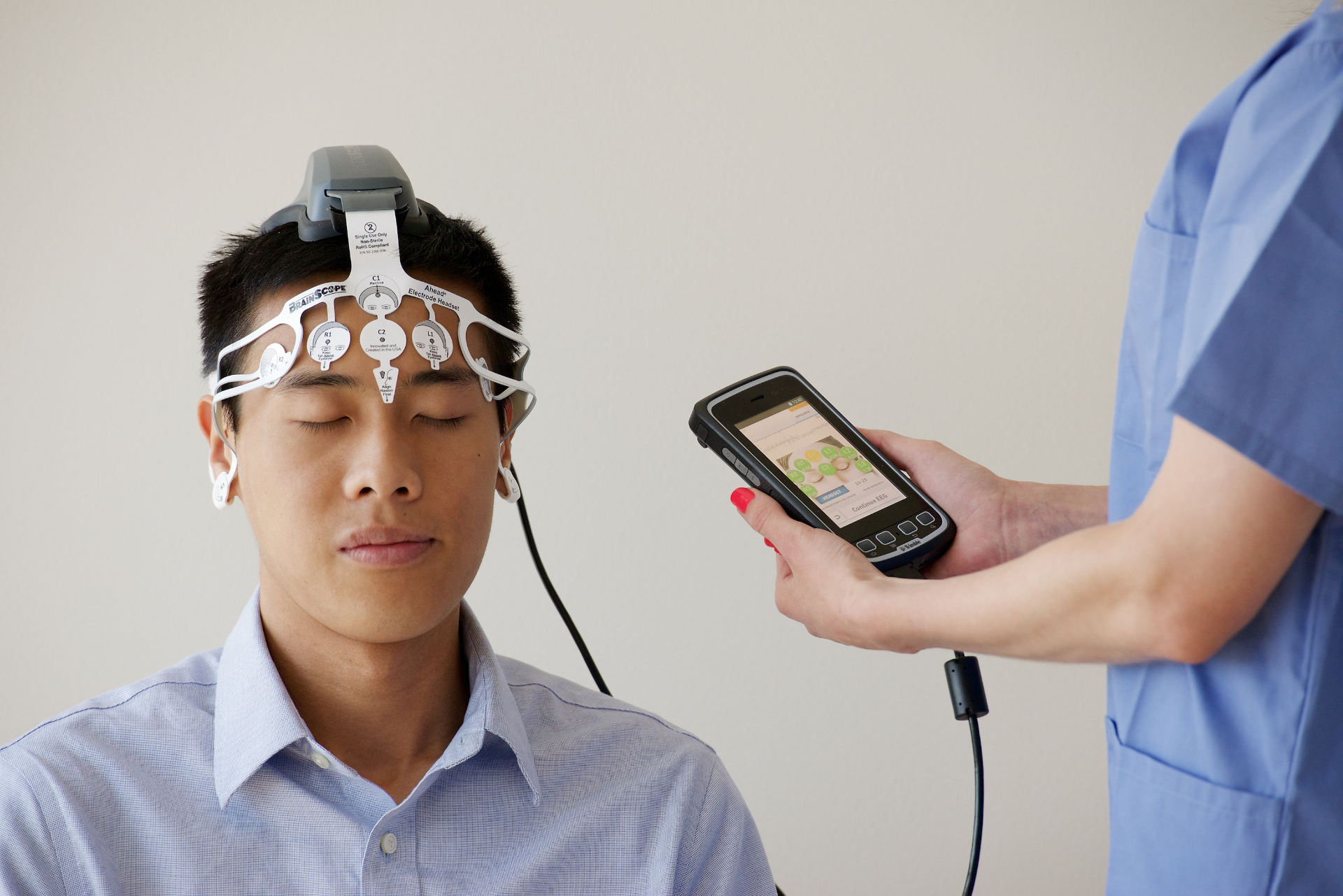
During a neurofeedback session, sensors are placed on the scalp to measure brainwave activity. The person then receives visual or audio feedback through a screen or sound-based system. Over time, this training may help the brain build healthier patterns linked to better focus, emotional regulation, and stress response. Research suggests neurofeedback has the strongest support for ADHD, while evidence for anxiety, PTSD, and depression is still developing but promising.
Mental Health Issues Neurofeedback May Help
People often explore neurofeedback for anxiety, attention difficulties, trauma-related symptoms, mood concerns, and insomnia. The goal is not to offer a quick fix, but to improve self-regulation so the brain can respond more effectively to everyday stress. Because results vary from person to person, neurofeedback is usually best viewed as a complementary option rather than a replacement for therapy, medication, or other evidence-based care.
If you are considering neurofeedback for mental health support, talk with a licensed provider at Balanced Mind Counseling who can explain the potential benefits, limits, and whether it fits your broader treatment plan. A thoughtful, individualized approach can make it easier to decide if neurofeedback is the right next step. Call us today for an introductory appointment.